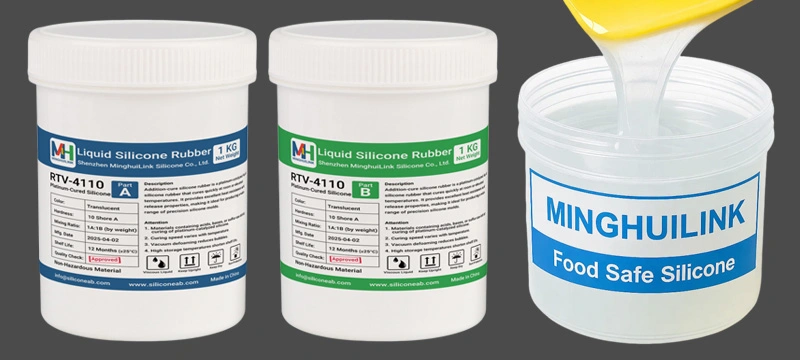
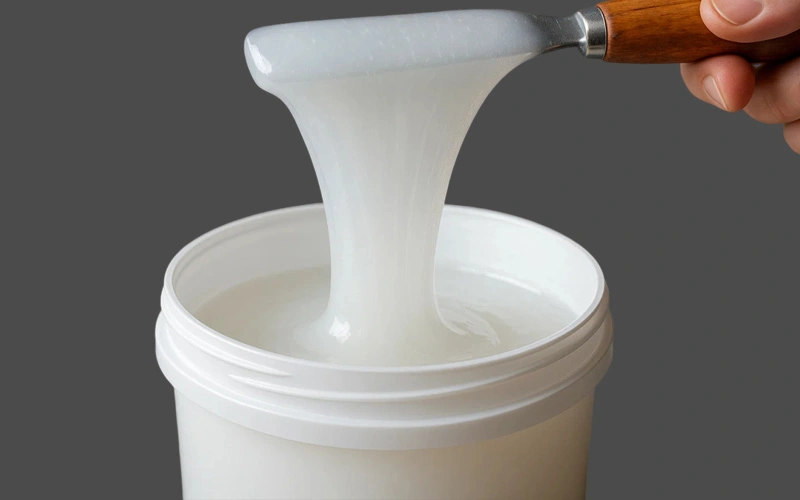
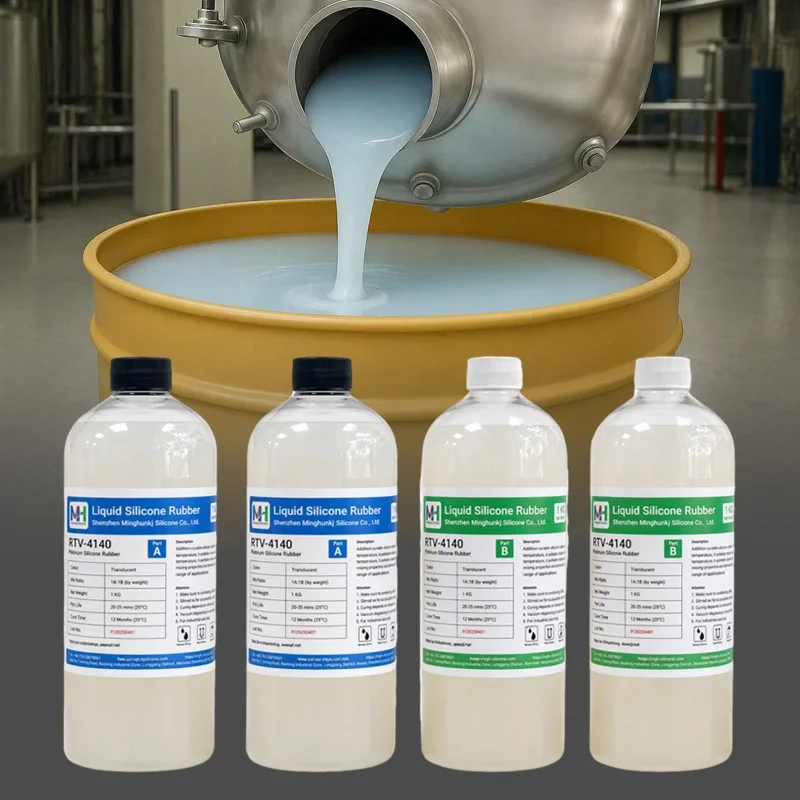
Food grade silicone is a high-purity, platinum-cured silicone rubber for making reusable food-contact molds. It is non-toxic, odorless, and BPA-free, and has been tested with reference to FDA 21 CFR 177.2600.

With a simple 1:1 mix ratio, its platinum-catalyzed addition-curing system produces no reaction by-products during curing. Once fully cured, the material provides ultra-low shrinkage, excellent tear strength, fine detail reproduction, and stable thermal performance, making it suitable for both low-temperature freezing and high-temperature baking applications.

food grade silicone

Food Contact Note

For food-contact mold making, use clean tools and containers, follow the specified mix ratio, allow full cure, avoid unverified fillers or pigments, and wash the cured mold before first food contact.

APPLICATIONS

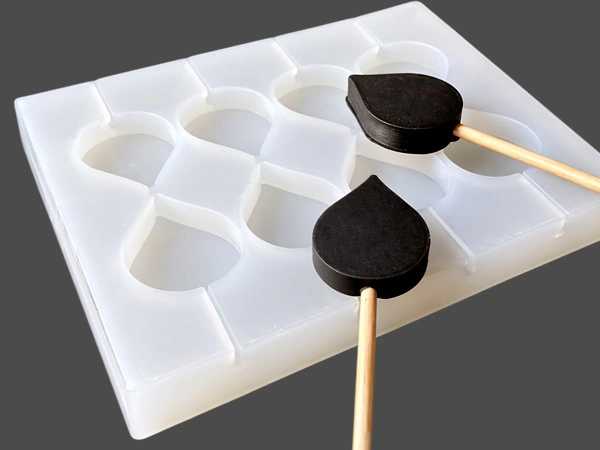
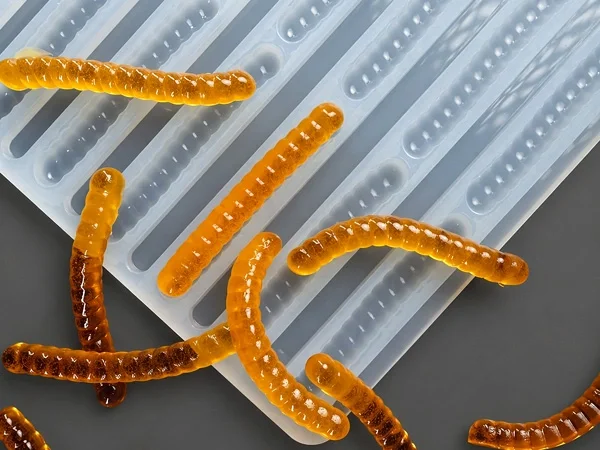
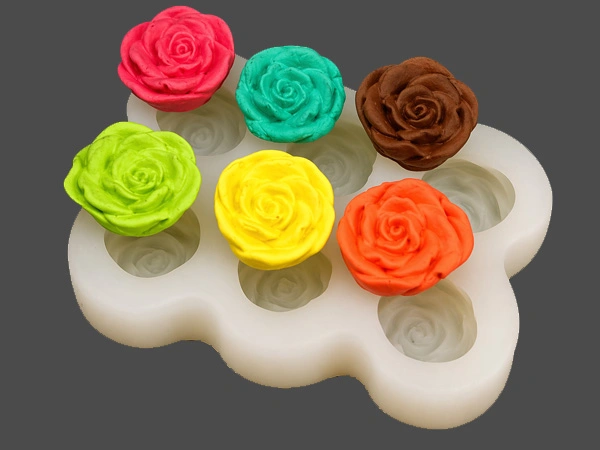
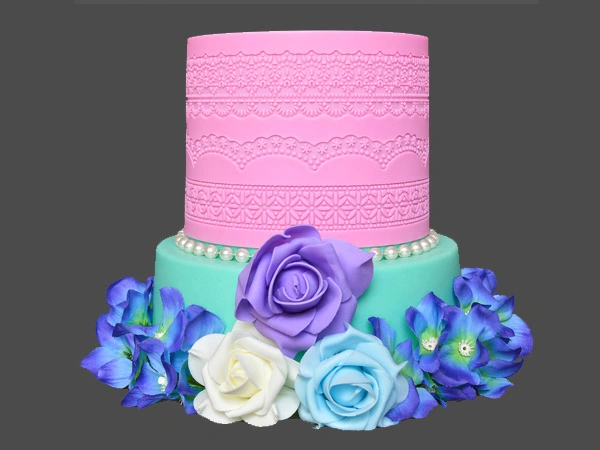
The main value of food grade silicone lies in its combination of food-contact safety, balanced flexibility for easy demolding, and repeat-use durability. It is widely used for making reusable food-safe molds for chocolate, candy, fondant and cake decoration, popsicles, ice, butter, and similar applications.

  • chocolate silicone mold

    Chocolate Mold

  • candy silicone mold

    Candy Mold

  • cake silicone mold

    Cake Mold

  • fondant silicone mold

    Fondant Mold

TECHNICAL DATA

ModelHardnessViscosityPot LifeCure TimeTear Strength
RTV-41000 Shore C2,800 cps30-40 mins4-5 hrs9 N/mm
RTV-41055 Shore A4,000 cps30-40 mins4-5 hrs11 N/mm
RTV-411010 Shore A4,000 cps30-40 mins4-5 hrs25 N/mm
RTV-411515 Shore A4,000 cps30-40 mins4-5 hrs26 N/mm
RTV-412020 Shore A4,700 cps30-40 mins4-5 hrs27 N/mm
food grade liquid silicone
Note: Food grade silicone may not cure properly if it comes into contact with incompatible materials.

Before making food-contact molds, keep the mold master and mixing tools away from the following:

  • Sulfur materials: sulfur-based clays, natural rubber, and latex gloves.
  • Tin-cure residues: tin-cured silicone and contaminated tools or containers.
  • Some resins and additives: certain 3D printed UV resin surfaces, amine-containing systems, and unverified modifiers.
  • Unverified pigments or fillers: incompatible colorants, powders, release agents, or other additives.
  1. Prepare the Master Pattern: Make sure the master pattern is clean and dry before molding.
  2. Measure & Mix: Measure Part A and Part B at a 1:1 ratio by weight, then mix thoroughly.
  3. Vacuum Degassing: Vacuum degassing is recommended for a cleaner surface finish and fewer bubbles.
  4. Pour the Silicone: Pour the mixed silicone slowly to fully cover the master pattern.
  5. Cure & Demold: Allow the mold to cure at room temperature, or use controlled heat to accelerate curing before demolding.
  6. Wash & First Use: For food-contact applications, wash the fully cured mold with warm water and mild dish soap before first use.
Shelf Life
Under recommended storage conditions, the typical shelf life is 24 months from the manufacture date.
Recommended Storage
Store in a cool, dry place at 15-25°C (60-77°F), away from direct sunlight.
Opened Containers
Reseal immediately after use to reduce contamination risk.
Beyond Shelf Life: Food grade silicone may become more viscous over time, but it should not normally develop abnormal odor or reaction by-products. If used beyond its stated shelf life, test first whether it can still be mixed evenly and cured normally before formal use.
food safe silicone

Frequently Asked Questions

Community Q&A