KE-1300T/CAT-1300 vs RTV-4140 Silicone Comparison

KE-1300T/CAT-1300 and RTV-4140 are both Shore A40 addition-cure RTV-2 silicones for mold making and casting applications. This comparison examines their published technical specifications, processing characteristics and mechanical properties to help manufacturers evaluate RTV-4140 as a potential alternative.

Shin-Etsu

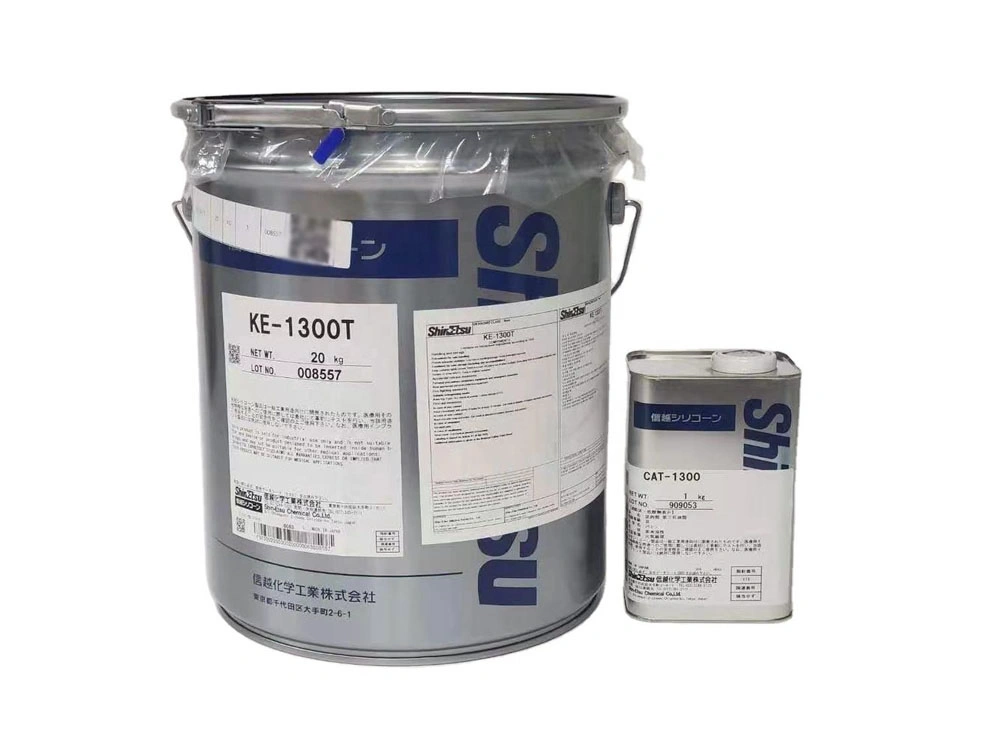
KE-1300T/CAT-1300

Addition-Cure Silicone

KE-1300T/CAT-1300 silicone rubber
  • Hardness
    40 Shore A
  • Mix Ratio
    10:1
  • Viscosity
    95,000 cP

Visit Product

VS
MinghuiLink

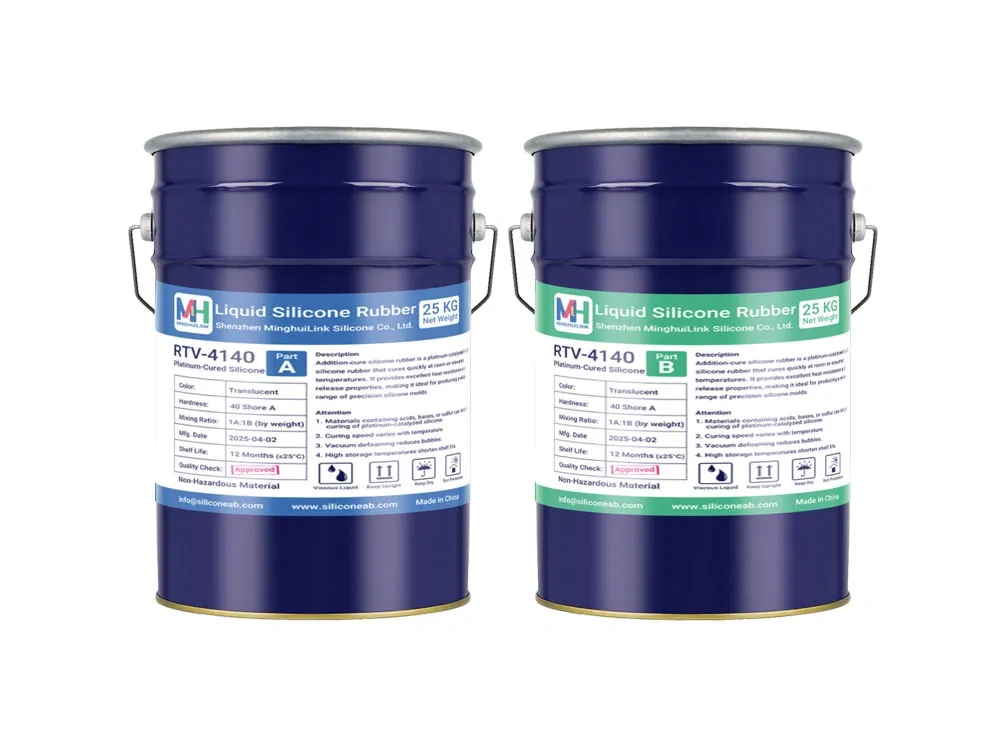
RTV-4140

Platinum-Cure Silicone

MinghuiLink RTV-4140 silicone rubber
  • Hardness
    40 Shore A
  • Mix Ratio
    1:1
  • Viscosity
    4,800 cps

Visit Product

Conclusion

KE-1300T/CAT-1300 and RTV-4140 are both Shore A40 addition-cure silicone systems, but their published specifications support different priorities in precision tooling, processing convenience and production turnaround.

  • Similar Hardness:
    Both provide a relatively firm Shore A40 mold profile for applications where mold rigidity and shape retention are important.
  • Different Processing:
    KE-1300T/CAT-1300 uses a 10:1 mix ratio with a longer working window, while RTV-4140 uses a simpler 1:1 system.
  • Turnaround:
    KE-1300T/CAT-1300 has the longer published cure cycle, while RTV-4140 offers a shorter published turnaround.

1. Technical Assessment

KE-1300T/CAT-1300 and RTV-4140 are both Shore A40 addition-cure silicone systems, but they are positioned around different processing and mold-making requirements. Shin-Etsu describes KE-1300T as a high-strength, high-modulus material with low shrinkage for demanding mold applications, while RTV-4140 is positioned for rigid molds, rapid prototyping, resin casting, concrete and other production applications.

The mixing systems are significantly different. KE-1300T/CAT-1300 uses a 100:10 ratio by weight, while RTV-4140 uses a 1:1 ratio by weight or volume. The 10:1 system requires more precise measurement of the catalyst component, whereas the 1:1 system can simplify routine batching and small-batch preparation.

Working and cure times create another clear difference. KE-1300T has a published working time of approximately 1.5 hours and a 24-hour cure at 23°C, while RTV-4140 has approximately 35 minutes of working time and a 6-hour published cure cycle. KE-1300T therefore provides a longer processing window, while RTV-4140 offers a shorter published turnaround.

Viscosity should be interpreted carefully. Shin-Etsu lists approximately 95 Pa·s for the KE-1300T base, while MinghuiLink reports approximately 4,800±200 mPa·s for Part A of RTV-4140. Because the reported values refer to different measurement points, they should not be treated as a direct like-for-like viscosity ranking. Actual flow, deaeration and pouring behavior should be evaluated with the intended mold design.

The published mechanical data show a different balance between strength and elongation. Tensile strength is broadly similar, while RTV-4140 reports higher published tear strength and KE-1300T reports higher elongation. KE-1300T also has published positioning around high modulus, low shrinkage and easy release, making it relevant where dimensional control is a major consideration.
2. Technical Comparison

Technical Parameter Shin-Etsu KE-1300T/CAT-1300 MinghuiLink RTV-4140
Silicone Type Addition-cure silicone Platinum-cure silicone
Color Translucent Translucent
Specific Gravity 1.09 g/cm³ 1.08–1.10 g/cm³
Mix Ratio 100:10 by weight 1A:1B by weight or volume
Shore Hardness 40 Shore A 40±2 Shore A
Viscosity 95 Pa·s (~95,000 cP, Base) 4,800±200 mPa·s* (Part A)
Working / Pot Life 1.5 hours 35 min
Cure Time 24 hours at 23°C 6 hours
Tensile Strength 5.0 MPa 5.3 MPa
Tear Strength 17 kN/m (~17 N/mm) 32.0 N/mm
Elongation 400% 220%
Shrinkage Low shrinkage; numerical value not publicly listed ≤0.1%
Usable Temperature Range −40°C to +175°C 250°C / 482°F heat resistance
Technical Data Sources KE-1300T/CAT-1300 RTV-4140

3. Key Differences

Key Factor Shin-Etsu KE-1300T/CAT-1300 MinghuiLink RTV-4140 What It Means
Hardness 40 Shore A 40±2 Shore A Both target the same general A40 mold range.
Mixing System 100:10 by weight 1A:1B by weight or volume RTV-4140 provides a simpler batching method, while KE-1300T requires accurate measurement of the catalyst component.
Working Window 1.5 hours 35 min KE-1300T provides substantially more time for mixing, vacuum deaeration and controlled pouring.
Published Viscosity 95 Pa·s base 4,800±200 mPa·s Part A KE-1300T has a much higher published viscosity value, although the measurement points differ.
Turnaround 24 h cure 6 h cure RTV-4140 has the shorter published cure cycle for users who prioritize faster mold turnover.
Mechanical Profile 5.0 MPa tensile; 17 kN/m tear; 400% elongation 5.3 MPa tensile; 32.0 N/mm tear; 220% elongation Tensile strength is broadly similar, while RTV-4140 reports higher published tear strength and KE-1300T reports higher elongation.
Product Positioning High-strength, high-modulus precision mold making Rigid molds, rapid prototyping and casting KE-1300T emphasizes high-modulus precision tooling, while RTV-4140 emphasizes practical processing and faster turnaround.
Master Visibility Translucent Translucent Both provide some visual access to the mold; KE-1300T's translucent positioning can be useful when planning split or cut molds.

3. Application Comparison

Application KE-1300T/CAT-1300 RTV-4140 Key Consideration
Precision Mold Making Can be considered Can be considered KE-1300T is specifically positioned for high-strength, high-modulus molds.
Vacuum Casting Can be considered Can be considered Working time, viscosity and mold support should be evaluated.
Rapid Prototyping Can be considered Can be considered RTV-4140 has the shorter published cure cycle, while KE-1300T provides more working time.
Resin Casting Can be considered Can be considered Consider viscosity, cure cycle, mold rigidity and casting-material compatibility.
Concrete / Heavy Casting Can be considered Can be considered A40 provides substantial mold body; mold thickness and reinforcement should be evaluated.
3D-Printed Masters Can be considered with compatibility testing Can be considered with compatibility testing Resins, coatings and contaminants may affect cure; test the master before production.

5. FAQ

Compare Another Silicone

Need Help Choosing?

Tell us your application. We’ll recommend the right RTV-2 silicone and provide a sample for testing.

Request a Sample