RTV-2 (Two-Component, Room-Temperature-Vulcanizing) liquid silicone rubber is a high-performance material widely used in the field of silicone mold making. To maximize the material's performance and extend its shelf life, proper storage and maintenance are crucial. This article will detail the correct storage methods for RTV-2 liquid silicone rubber to ensure its stability and high performance during use.
I. Shelf Life of Silicone Rubber
Unlike many other chemicals, RTV-2 liquid silicone rubber does not emit odors or produce harmful substances after its expiration date. However, its viscosity will gradually increase over time. This means that even if the recommended shelf life is exceeded, the product may still be usable, but the increased viscosity can make mixing and de-aeration (vacuum degassing) more difficult. To ensure the best results, it is recommended to perform a small test before use to confirm its suitability for the intended application.
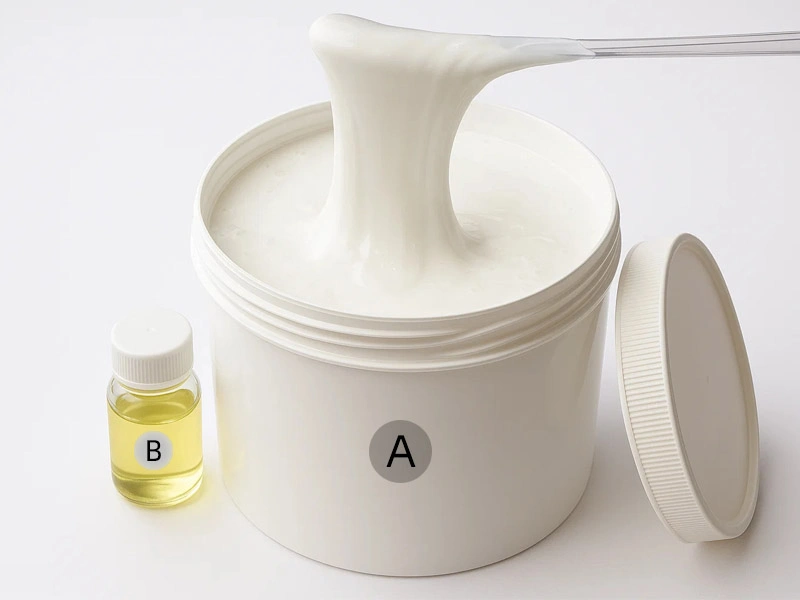 RTV-2 liquid silicone rubber
The shelf life of RTV-2 liquid silicone rubber varies depending on the cure type:
Tin Cure (Condensation Cure) Silicone: The shelf life is typically 12 months.
Platinum Cure (Addition Cure) Silicone: The shelf life is generally 12-24 months for translucent types and 12 months for transparent types.
It is important to note that if the storage temperature is too high, the shelf life of RTV-2 silicone rubber may be significantly reduced.
II. Storage Environment Requirements
Storing RTV-2 silicone rubber in a suitable environment can effectively extend its shelf life and maintain its performance. The main storage requirements are as follows:
1. Temperature Control
RTV-2 silicone rubber should be stored in a dry, cool environment, with a recommended temperature range of 15°C to 25°C (59°F to 77°F). Storing at higher temperatures will accelerate the thickening process of the liquid silicone, affecting its flowability and curing performance, thus shortening its effective life.
2. Humidity Control
The effect of humidity varies for different types of RTV-2 silicone rubber:
Tin Cure Silicone: This type of silicone relies on moisture in the air to cure. Therefore, a high-humidity environment will accelerate its curing speed, potentially causing the material to thicken prematurely or partially cure during storage.
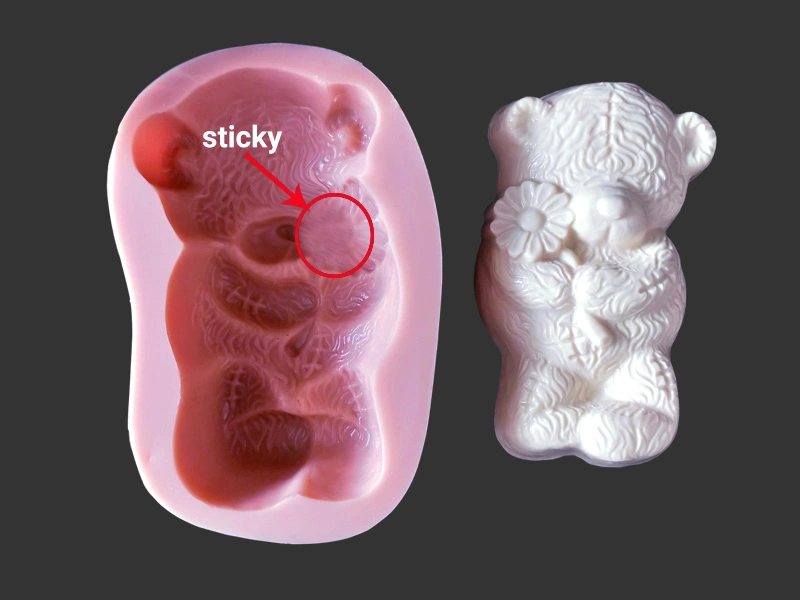
Platinum Cure Silicone: Humidity has less effect on its curing speed, but it may still cause a slight tackiness on the mold surface in high-humidity conditions.
To avoid unwanted curing reactions or performance changes, it is recommended to maintain the relative humidity of the storage environment between 30% and 60%.
3. Other Influencing Factors
RTV-2 silicone rubber should be protected from strong light and kept away from sources of contamination that could cause cure inhibition. Platinum cure silicones are particularly sensitive to certain substances that can lead to cure inhibition. Common contaminants include:
Sulfur Compounds: Such as sulfur-containing modeling clays (e.g., Plastilina).
Amines: Such as certain amine-cured epoxy resins.
Certain Plastics and Rubbers: Especially vulcanized rubber.
Tin cure silicones are generally not susceptible to cure inhibition. Cure inhibition can result in incomplete curing, manifesting as persistent tackiness. Therefore, ensure the silicone is stored away from these potential contaminants.
III. Storage Precautions
In addition to controlling the storage environment, proper packaging and regular checks are also crucial for ensuring the long-term stability of RTV-2 liquid silicone rubber. Here are key precautions for storage:
1. Keep Containers Sealed
RTV-2 silicone consists of Part A and Part B. The unmixed components should always be kept tightly sealed. After each use, reseal the container immediately to minimize contact with air and moisture. It is recommended to store containers upright, especially after opening, to prevent leakage.
Pay special attention to Part B (the catalyst or curing agent). When the catalyst is exposed to air, it reacts with moisture, causing hydrolysis. Obvious signs of hydrolysis include the formation of a skin, crust, or crystals on the surface of the catalyst.
What to Do: If these signs are observed, the catalyst has degraded and should no longer be used. Using a hydrolyzed catalyst can lead to incomplete curing or a decline in the final performance of the silicone.
Preventive Tip: A highly effective professional technique is to cover the mouth of the bottle with a layer of plastic wrap or industrial stretch film before tightening the cap. This provides a superior air/moisture barrier than the cap alone, significantly extending the life of the catalyst after opening.
2. Regular Checks
It is important to regularly check the RTV-2 silicone for any signs of thickening. If you notice a significant increase in viscosity compared to its initial state, it should be used as soon as possible to avoid it becoming unusable due to prolonged storage.
3. Avoid Contact with Other Chemicals
When storing RTV-2 liquid silicone rubber, avoid direct contact with other chemicals (such as solvents, oils, etc.) to prevent unwanted chemical reactions or contamination that could affect its performance.
IV. Conclusion
Proper storage of RTV-2 liquid silicone rubber is essential for extending its shelf life and ensuring the quality of your molds. By controlling the temperature and humidity of the storage environment, keeping containers sealed, performing regular checks, and avoiding contact with contaminants, you can effectively maintain the performance of the silicone and guarantee the quality of your final products.

We value your comments, but please refrain from posting meaningless or irrelevant content. Kindly review our Comment Policy before commenting.