When choosing a lifelike doll, the material is undoubtedly the most critical deciding factor. Different polymer materials directly determine the product's tactile feel, durability, safety, and long-term maintenance costs. In the current market, platinum silicone and TPE (Thermoplastic Elastomer) are the two most common options, and they have fundamental differences in their chemical structures and physical properties.
As experts in the materials field, we will help you analyze the core differences between these two materials from a scientific perspective, enabling you to make the most suitable judgment based on your actual needs.
 Real Dolls
1. Material Differences
The biggest difference between silicone and TPE dolls lies in the materials used, a distinction that directly impacts their performance, manufacturing cost, and long-term durability.
TPE (Thermoplastic Elastomer)
TPE is a typical thermoplastic material that combines high elasticity with thermoplastic properties. Its molecular chains are linear and held together by weak physical cross-links. This means that when heated, the molecular chains can move freely, allowing the material to be melted and reshaped—a process that is reversible. This characteristic makes TPE's production process simple and efficient, and its cost is relatively easy to control.
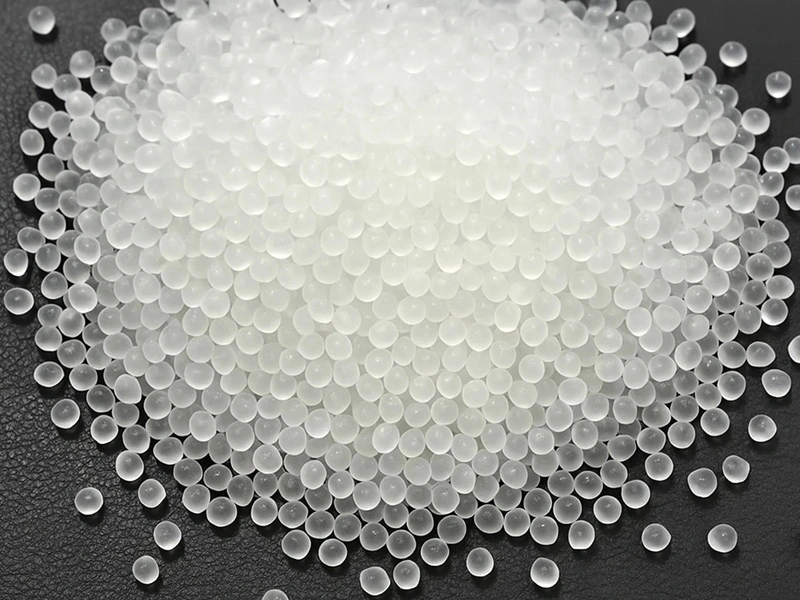 TPE Material
Platinum Silicone
The platinum cured silicone used in high-end lifelike dolls (addition cure silicone) is a thermoset material. Its production involves mixing two components (Part A and Part B), which then undergo an irreversible chemical cross-linking reaction under the action of a platinum catalyst, forming a stable three-dimensional network structure. Once cured, this structure cannot be altered by heating. Although this process is more complex and costly, it endows the silicone doll with superior stability and purity.
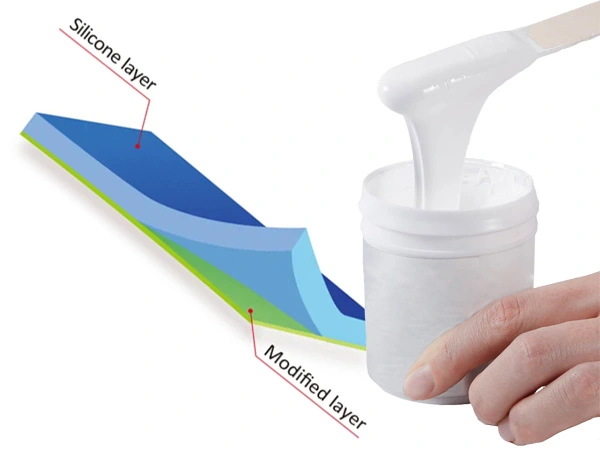
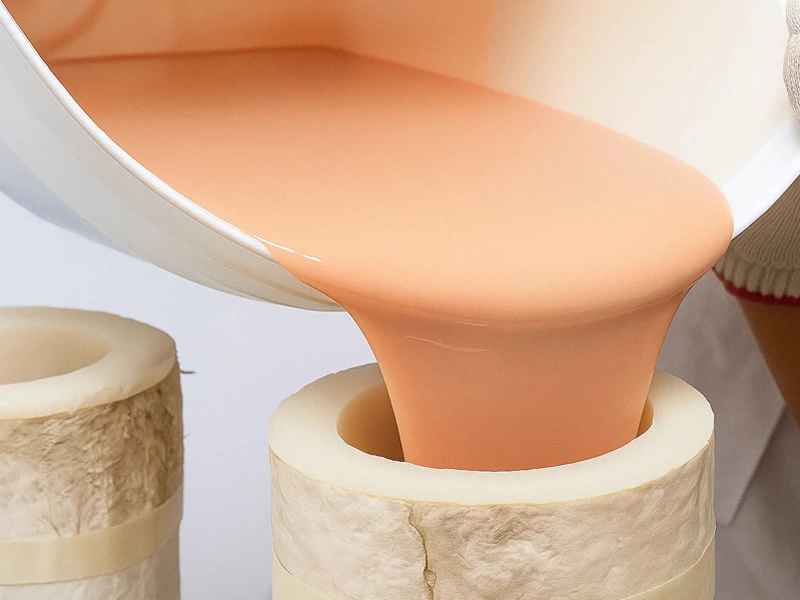 Platinum Liquid Silicone
2. Tactile Feel and Detail
The tactile feel is a primary concern when choosing a lifelike doll, and the difference between TPE and silicone in this regard is very noticeable.
TPE's Touch
Due to the plasticizers (oily substances) in its formulation, TPE can offer an extremely soft touch that is very close to human skin, feeling remarkably plush and supple. However, because of this, the TPE surface may secrete a small amount of oil over time, leading to a slightly oily or sticky feel. This characteristic is also why TPE dolls require regular maintenance.
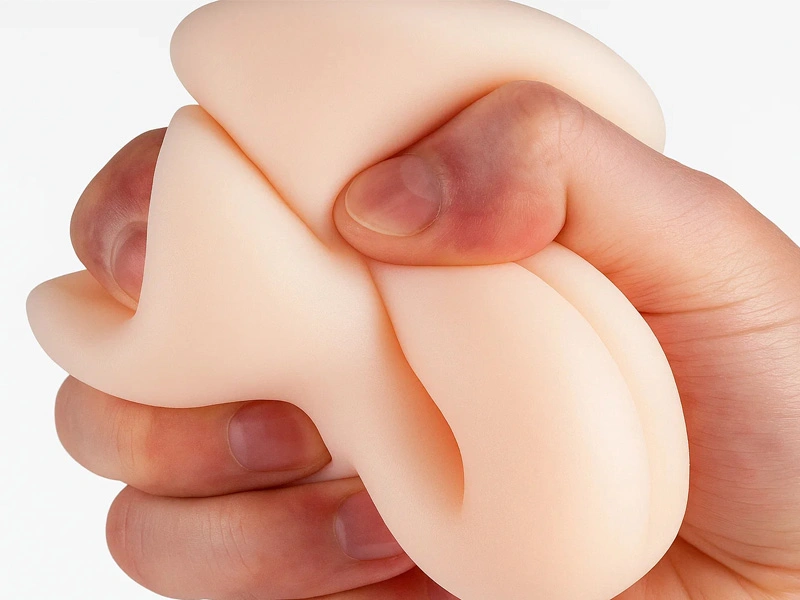 TPE Tactile Feel
Silicone's Touch
Platinum silicone provides a dry, smooth, and highly resilient tactile feel. Thanks to its excellent flowability and near-zero cure shrinkage rate, it can replicate the surface details of a mold with extremely high precision, such as fine skin textures and pores—a level of realism that TPE materials cannot achieve.
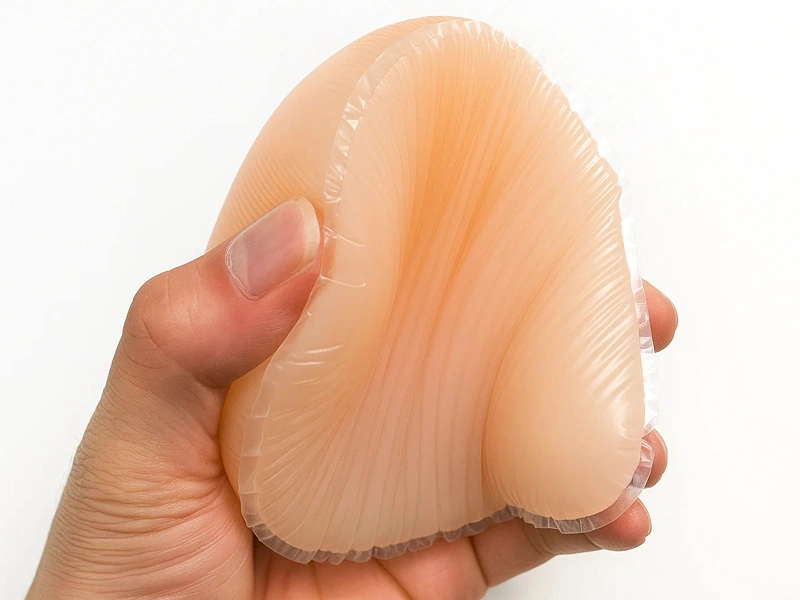 Silicone Tactile Feel
Summary: If you prefer a soft and elastic touch, a TPE doll will better meet your needs. However, if you value the realism of skin details and a dry, smooth feel, a silicone doll is undoubtedly the better choice.
3. Durability and Lifespan
Durability is a significant difference between silicone and TPE dolls.
Silicone Dolls
Thanks to its stable molecular structure, platinum silicone exhibits excellent tear and aging resistance. It can effectively withstand degradation from UV radiation and oxygen, and its lifespan typically ranges from 5 to 10 years. Nevertheless, silicone may develop cracks at stress points like joints after prolonged bending.
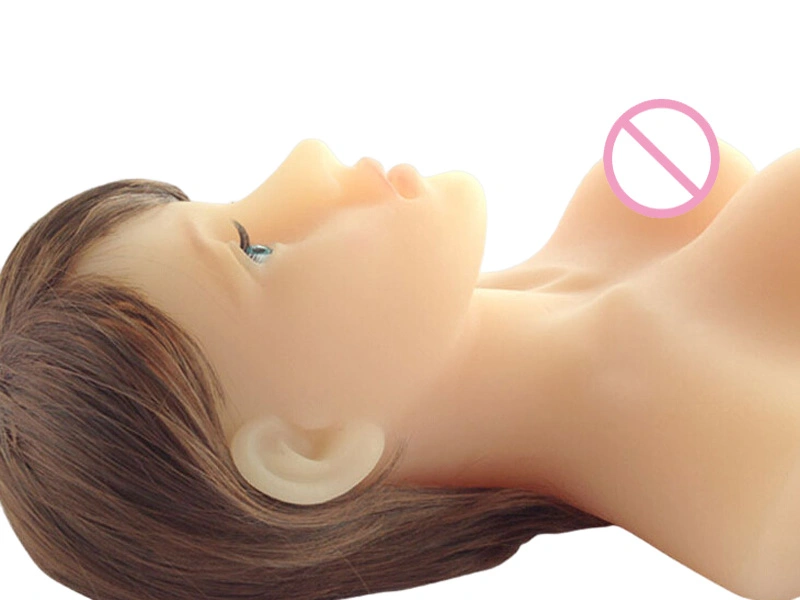 Silicone Dolls
TPE Dolls
While TPE dolls are soft to the touch, their tear resistance is relatively weak, and the material ages more quickly, with a typical lifespan of 2 to 5 years. Furthermore, TPE is susceptible to damage from UV radiation, which can lead to yellowing, hardening, or becoming brittle.
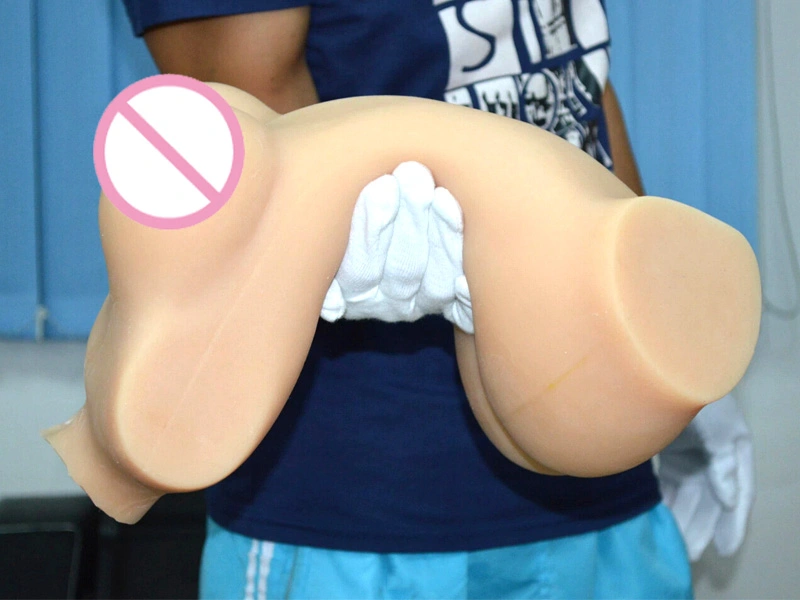 TPE Dolls
Summary: Silicone has a clear advantage in durability and aging resistance, making it ideal for users with long-term needs.
4. Safety and Hygiene
For products with long-term skin contact, material safety is of utmost importance.
TPE Dolls
TPE is a porous material. The microscopic pores in its structure can easily trap moisture, dust, and skin cells, becoming a breeding ground for bacteria. This makes cleaning and disinfecting TPE dolls relatively complex and poses potential hygiene risks.
Silicone Dolls
Platinum silicone is completely non-porous, with a smooth surface that is naturally antibacterial. The material is chemically inert and can withstand disinfection with alcohol or high temperatures—methods that would damage TPE. More importantly, silicone meets stringent medical-grade (e.g., ISO 10993) and food-grade (e.g., FDA 21 CFR 177.2600) certification standards.
Summary: The non-porous, antibacterial nature of silicone dolls, along with their resistance to high temperatures and alcohol, makes them the undisputed best choice for hygiene and safety.
5. Odor and Weight
These are two of the most immediately noticeable differences in daily use and handling.
Odor
As a high-purity material, platinum silicone is typically completely odorless. TPE, due to its chemical composition, may have a faint material scent when new or in a sealed environment. While this usually dissipates after airing out, it can be an issue for users sensitive to smells.
Weight
For the same body size, a silicone doll is noticeably heavier than a TPE doll. Silicone has a higher density, which provides a stronger sense of "realism" and "presence," but this also means it requires more physical effort to handle and clean. TPE dolls are lighter and more convenient to manage.
Summary: If you are sensitive to odors, silicone is the purer choice. In terms of weight, a silicone doll offers a greater sense of presence, while a TPE doll is more suitable for those who prioritize convenience.
6. Price and Value
While price is a key factor for many consumers, the difference between TPE and silicone is also significant from a long-term value perspective.
TPE Dolls
TPE dolls have a more affordable initial price, typically one-third to one-half the cost of a comparable silicone doll, making them very attractive for those with a limited budget or first-time buyers.
Silicone Dolls
The initial investment for a silicone doll is higher, but its lifespan is much longer than that of a TPE doll. From a long-term perspective, the durability and high quality of silicone make it a better investment. For consumers seeking top-tier safety and user experience, the premium for a silicone doll is worthwhile.
Summary: TPE dolls have the advantage in initial cost, while silicone dolls offer a better return on investment and overall value in the long run.
7. Care and Maintenance
The different material properties of TPE and silicone dictate distinct care routines.
TPE Dolls
The key to TPE doll maintenance is oiling. As the plasticizers are lost over time, regular application of a special maintenance oil is needed to maintain softness and prevent the surface from becoming sticky or cracked.
Silicone Dolls
Silicone dolls, on the other hand, require regular powdering. After cleaning, using talcum powder or a special maintenance powder can eliminate any slight surface tackiness, restoring its dry and smooth feel.
Summary: TPE doll care is more of a "wet care" routine requiring regular oiling, while silicone doll care is a "dry care" routine that needs periodic powdering.
8. Final Conclusion
To help you compare more directly, we have compiled the following comparison table:
| Comparison Point | Silicone Doll | TPE Doll |
|---|---|---|
| Material Type | Thermoset, High Purity | Thermoplastic, Polymer |
| Detail | Excellent - can replicate pores, wrinkles | Moderate - details are relatively blurred |
| Tactile Feel | Dry, smooth, skin-like | Soft, slightly oily/sticky |
| Softness | Medium to firm | Very soft, close to human skin |
| Durable Lifespan | Durable, wear-resistant, 5-10 years | Poorer, susceptible to UV damage, 2-5 years |
| Heat Resistance | Excellent, −50°C to 200°C | Poor, deforms at >60°C |
| Price Cost | High - large initial investment, typically 2-3x TPE | Medium-Low - low barrier to entry |
| Hygiene & Safety | Non-porous, naturally antibacterial | Porous, prone to harboring bacteria |
| Odor | Completely odorless | May have a slight material scent |
| Weight | Heavier, more substantial feel | Lighter, easy to handle |
| Daily Maintenance | Regular powdering | Regular oiling |
Summary: If you prioritize durability and long-term use and have a sufficient budget, a silicone doll is the better choice. Its high durability and resistance to aging will provide you with a more lasting experience. If you are more concerned with a soft tactile feel and cost-effectiveness, a TPE doll is the more ideal option.

We value your comments, but please refrain from posting meaningless or irrelevant content. Kindly review our Comment Policy before commenting.