RTV-2 (Two-Component, Room-Temperature-Vulcanizing) silicone rubber is a professional-grade material used for mold making. It consists of two liquid components, Part A and Part B, which, when mixed, cure at room temperature into a flexible and elastic silicone mold. Although it is relatively easy to use, attention to several operational details is necessary to ensure mold quality and operational safety.
1. Fundamental Knowledge
Before using RTV-2 silicone, it is essential to understand the two primary systems: tin cured and platinum cure silicone. Their chemical principles, properties, and handling requirements are distinctly different, and mixing them or using them improperly can lead to serious issues.
Tin Cure Silicone: This type of silicone has a shrinkage rate of approximately 0.3 to 0.5% upon curing, and molds may become brittle over long-term storage. Note: It is not suitable for projects requiring high dimensional accuracy or long-term storage. However, it is highly tolerant of the operating environment, is not easily prone to "cure inhibition," and is ideal for general mold duplication.
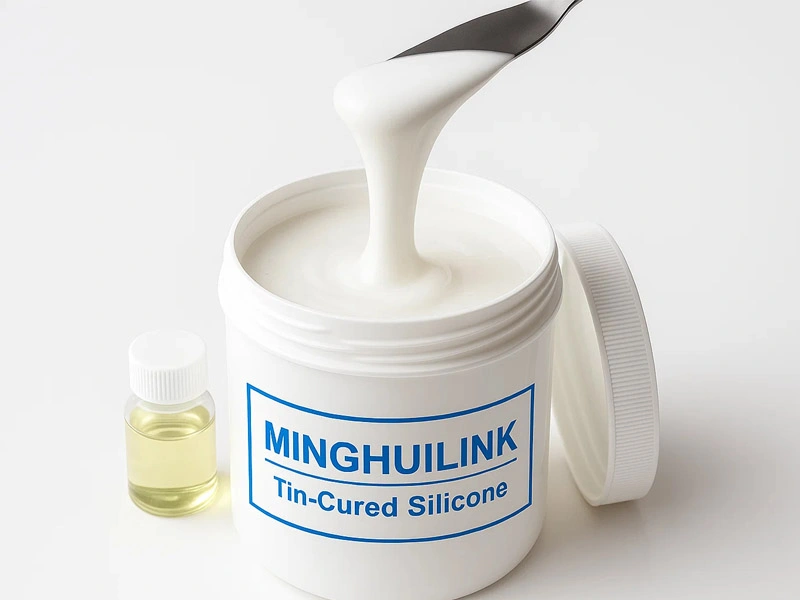 tin cure silicone
Platinum Cure Silicone: This type has a very low shrinkage rate (<0.1%), offers high precision, and can be food-grade. However, please note: It is extremely sensitive to impurities and is highly susceptible to "cure inhibition" (poisoning), making its operational requirements much stricter than tin cure silicone.
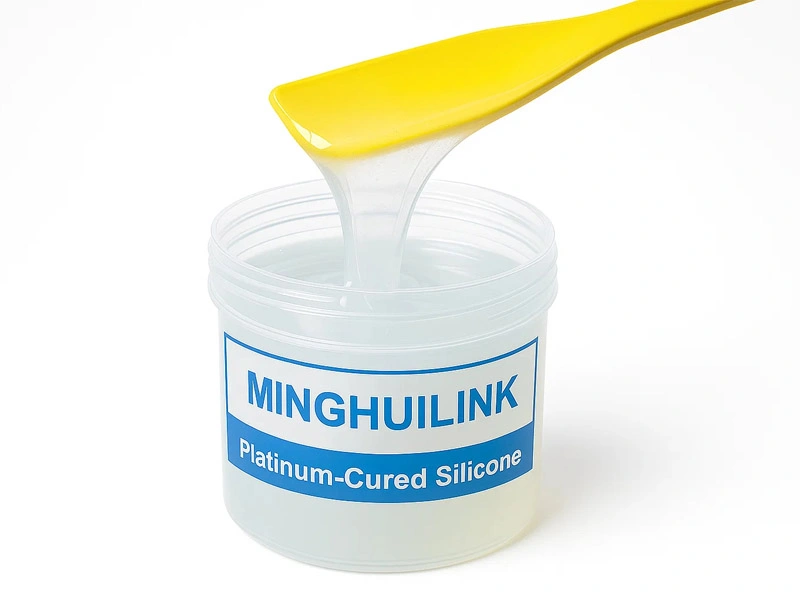 platinum cure silicone
Avoid the "more expensive is better" misconception: Not all projects require platinum cure silicone. Please make your decision based on your final application (precision requirements, food contact, budget, mold lifespan) to avoid unnecessary costs and operational risks. The initial tear strength (an immediate physical metric of toughness, compliant with ASTM D624) of condensation cure silicone may be higher, but the "archive life" (a measure of long-term chemical stability) of platinum cure silicone is longer. This is because the by-products released during the tin-curing process continuously degrade the silicone's polymer structure over time, eventually causing it to become brittle.
2. Safety Precautions
Although most RTV-2 silicones are non-toxic after curing, the liquid components, especially the tin curing agent in condensation cure systems, can cause skin and eye irritation. To ensure safety, the following protective measures are recommended:
Hand Protection: While allergic reactions to silicone are rare, it is still advisable to wear vinyl or nitrile gloves for ease of cleaning. If skin contact occurs, wash immediately with soap and water.
Ventilation: The work area should be well-ventilated. During the mixing and curing process, condensation cure silicones may release trace amounts of chemical by-products (like alcohol) or odors. Continuous airflow effectively disperses these volatiles and maintains air quality, preventing discomfort from prolonged inhalation.
Eye Protection: Wear safety glasses with side shields or goggles to prevent accidental splashes of liquid silicone into the eyes.
Body Protection: Wear a long-sleeved work coat or chemical-resistant apparel to minimize skin exposure.
3. Mix Ratio
This is the most critical step. When using RTV-2 silicone, you must strictly follow the mix ratio recommended in the product's technical data sheet. Typically, condensation cure silicones have a mix ratio of 100:2 to 100:4, while platinum cure silicones are 1:1 or 10:1.
Accurate Weighing: Use a digital scale with a precision of at least 0.1 grams. Always measure by weight, not by volume. Estimating by volume with measuring cups can easily lead to ratio errors.
Pre-Stirring: Before use, thoroughly stir Part A and Part B individually, especially Part A, as fillers may have settled during storage.
4. Mixing and Stirring
Thorough mixing is key to ensuring a proper cure. Here are the key points to remember:
Scrape the Sides and Bottom: Use a clean mixing stick to repeatedly scrape the sides and bottom of your container to ensure there are no unmixed spots.
Visual Check for Uniformity: Stir until the mixture is a completely uniform color with no streaks or marbling. It is recommended to stir for 2-3 minutes.
Separate Containers: When mixing different types of silicone (especially condensation and addition cure), you must use separate containers and tools to avoid cross-contamination.
5. Vacuum Degassing
The mixing process will inevitably introduce a significant amount of air bubbles. To achieve a flawless, mirror-smooth mold surface, vacuum degassing is an essential step. Use a vacuum chamber to place the mixture in, pull a vacuum to -0.1MPa, and hold for 1-2 minutes until all bubbles have risen and disappeared.
6. Proper Pouring Technique
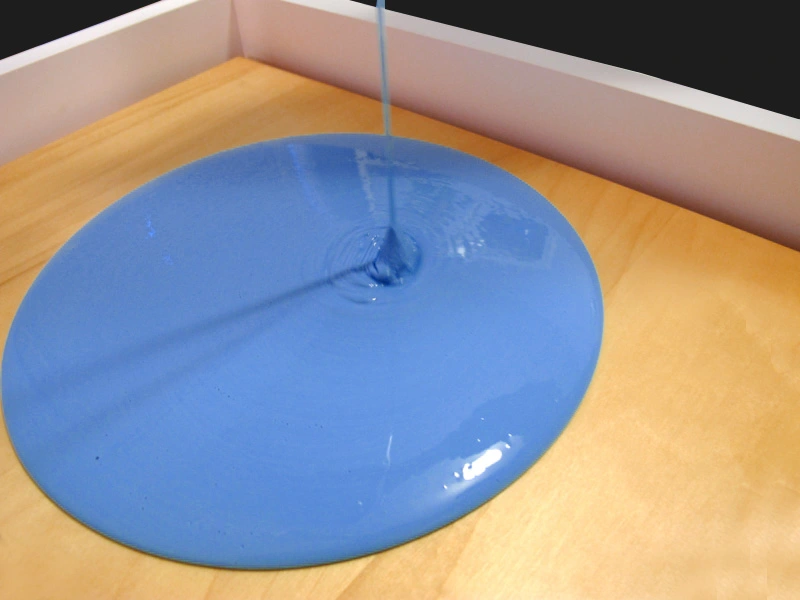
When pouring, select the lowest point of the mold box and slowly pour the silicone in a thin, continuous stream. Let the silicone flow and level out naturally over the master pattern. This technique minimizes the introduction of new air bubbles. Do not pour directly onto the highest point of the master, as this can easily trap air.
For highly detailed models, you can first apply a thin coat of silicone onto the surface with a soft brush, ensuring all crevices are covered, before pouring the main body of the mold.
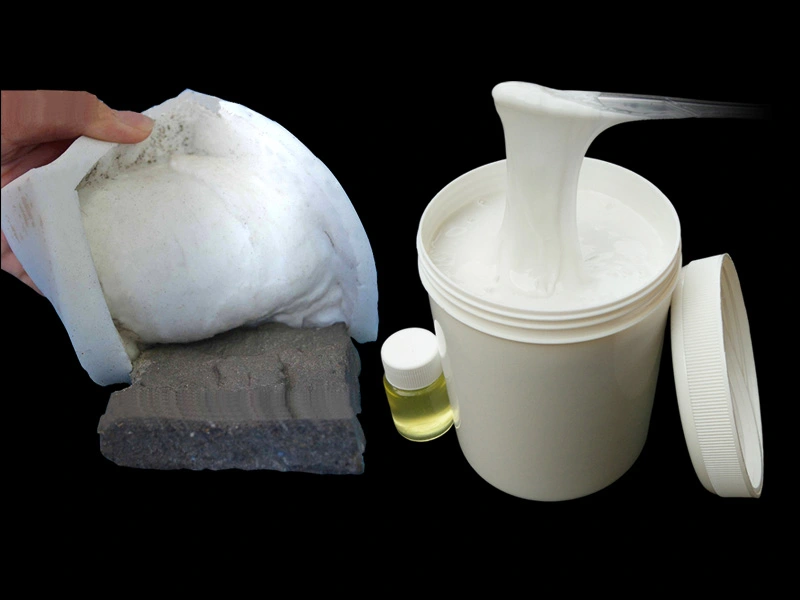
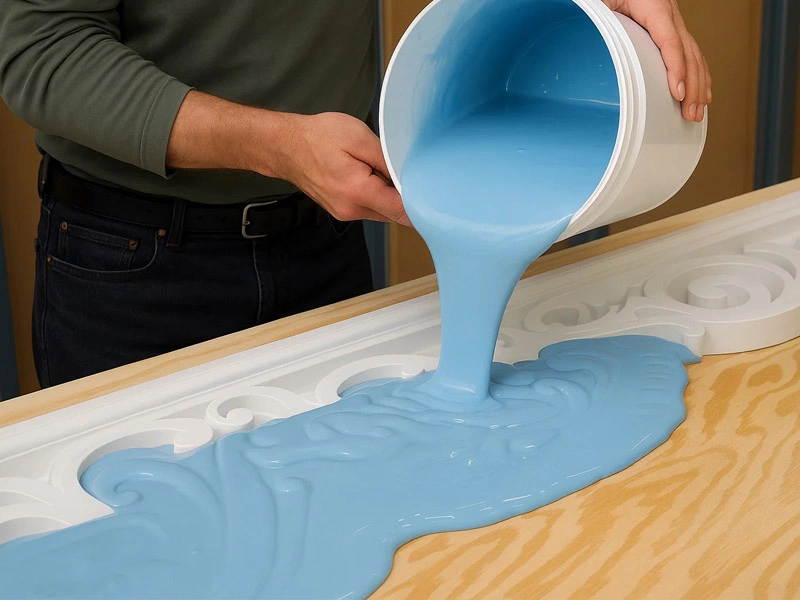 liquid silicone for mold making
7. Curing Environment
Many users overlook environmental factors, but temperature and humidity are critical to the speed and quality of the cure. The ideal operating temperature is between 20°C and 25°C (68°F to 77°F). If the temperature is too low, the curing reaction will slow dramatically or even stop. If it's too high, your pot life (working time) will be drastically reduced, leaving you rushed.
High-Temperature Environment (>25°C): Significantly shortens the pot life but also speeds up the cure time. Experienced users can leverage this to intentionally accelerate the platinum cure process for higher production efficiency.
Low-Temperature Environment (<15°C): Greatly extends the pot life, but the curing process will be extremely slow. It's worth noting that at temperatures below 10°C (50°F), the curing reaction may stall completely.
Humidity is crucial for condensation cure silicones, which rely on atmospheric moisture to cure. Therefore, in an overly dry environment, they may not cure completely.
It is recommended to let the mold cure on a level, vibration-free surface to avoid external factors affecting its shape and quality. To minimize shrinkage, cure at room temperature. If you need to accelerate the process, a gentle warming (40-60°C) can be applied.
8. Cure Inhibition
Tin Cure Silicone: Highly tolerant of the operating environment and not easily affected by impurities that cause cure failure (i.e., not prone to "poisoning"). It is more suitable for beginners or for use in non-ideal conditions.
Platinum Cure Silicone: Its platinum catalyst is extremely sensitive to contaminants, which can easily cause "cure inhibition" or "poisoning." This results in a sticky, uncured interface where the silicone has been in contact with the contaminant. This requires much higher standards for the environment, tools, and master pattern cleanliness than condensation cure silicone.
Common Inhibitors
The following substances are known to inhibit platinum catalysts and must be avoided:
Sulfur Compounds: This is the most common source of inhibition. Includes sulfur-containing modeling clays, latex gloves, natural rubber, and some vulcanized rubber products.
Tin Compounds: Includes tin-catalyzed condensation cure silicones themselves (never share tools), certain stabilizers in PVC plastics, and organotin compounds.
Nitrogen Compounds: Primarily amines, amides, and polyurethane (PU) resins.
Other Common Materials:
Certain 3D-Printed Resins: Uncured monomers from SLA/DLP prints are potent inhibitors and a very common source of problems in recent years.
Polyester resins, certain paints, varnishes, tapes, and solder paste residues.
How to Prevent Inhibition?
Perform a small-scale test: Before pouring your entire mold, mix a small amount of silicone and apply it to an inconspicuous spot on your master or on a piece of scrap material identical to your master. Wait a few hours to see if it cures properly. This is the most reliable prevention method.
Use a Sealer / Barrier Coat: If you know your master pattern material is risky, the most effective solution is to apply a physical barrier. Common sealers include PVA (polyvinyl alcohol) release agent or an acrylic varnish spray.
Special Treatment for 3D Prints: For photosensitive resin prints, thorough cleaning and a long post-cure under UV light are mandatory. In some cases, a low-temperature bake may be necessary to ensure all volatile inhibitors are completely removed.
What to Do If Inhibition Occurs?
Cure inhibition is an irreversible reaction. The only way to fix it is to scrape off all the uncured, sticky material and clean the master pattern with a solvent (like isopropyl alcohol). Only after the master has been thoroughly cleaned and sealed with a barrier coat can you attempt to pour again.
9. Curing Time
Cure times vary between different types of silicone, but RTV-2 silicones typically cure within 24 hours. If it has not fully cured or shows no signs of curing after 24 hours, you need to investigate the cause and start over.
Do not demold prematurely. You must wait for the full cure time specified on the Technical Data Sheet (TDS). Note: Even if the surface appears dry, the interior may still be undergoing a slow cross-linking reaction. Demolding too early can compromise the final physical properties and dimensional accuracy of the mold.
Mastering RTV-2 silicone mold making is about understanding its core principles and executing each step with care. Knowing the properties of different silicones, strictly adhering to mix ratios, ensuring safety, and controlling the curing environment are key to guaranteeing the quality of your molds.

We value your comments, but please refrain from posting meaningless or irrelevant content. Kindly review our Comment Policy before commenting.